Unveiling the Artistry and Heritage of Authentic Katanas
The captivating world of katanas is steeped in rich traditions and extraordinary craftsmanship. These iconic Japanese swords are not merely weapons; they embody centuries of cultural significance, artistry, and intricate techniques that have been passed down through generations. For enthusiasts and collectors, understanding the profound history and the meticulous artistry behind these blades is essential to appreciating their value, both as martial tools and as pieces of art. The exquisite design, the careful selection of materials, and the rigorous forging processes all contribute to the katana's legendary status.
As one delves deeper into the intricacies of katanas, it becomes evident that each sword tells a unique story. Crafted by skilled artisans known as tosho, these swords are often seen as a reflection of the blacksmith's personality and expertise. The katana’s distinctive curve, sharpness, and balance are results of meticulous attention to detail, making every katana a masterpiece in its own right. This article seeks to explore the historical significance, the craftsmanship, the cultural relevance, and the care required for these remarkable swords, providing a comprehensive understanding for both novice and seasoned collectors alike.
Moreover, the katana's journey does not end with its creation. The maintenance and preservation of these swords are just as vital, ensuring that their beauty and functionality endure through time. Collectors often face challenges in sourcing genuine katanas and ensuring their upkeep, which emphasizes the importance of education and awareness in this niche field. By exploring the various aspects of katanas, one can cultivate a greater appreciation for these symbols of Japanese heritage and martial prowess.
Understanding the Origins of the Katana
The katana's origins can be traced back to the Kamakura period (1185-1333) in Japan, where the need for a more effective battlefield weapon arose. As warfare evolved, the design of swords was adapted to meet the demands of combat. The katana, characterized by its curved, single-edged blade, was developed for quick draw and swift strikes, allowing samurai to engage effectively in battle. The historical significance of the katana is profound, as it symbolizes the samurai's honor and status in society.
During the Muromachi period (1336-1573), advancements in metallurgical techniques, such as the folding of steel, began to refine the quality of katana blades. This process not only improved the strength and flexibility of the swords but also created unique patterns known as hamon, which reflect the skill of the smith. The intricate designs that emerged during this period enhanced the katana's aesthetic appeal, making them sought-after collectibles. real katanas for sale
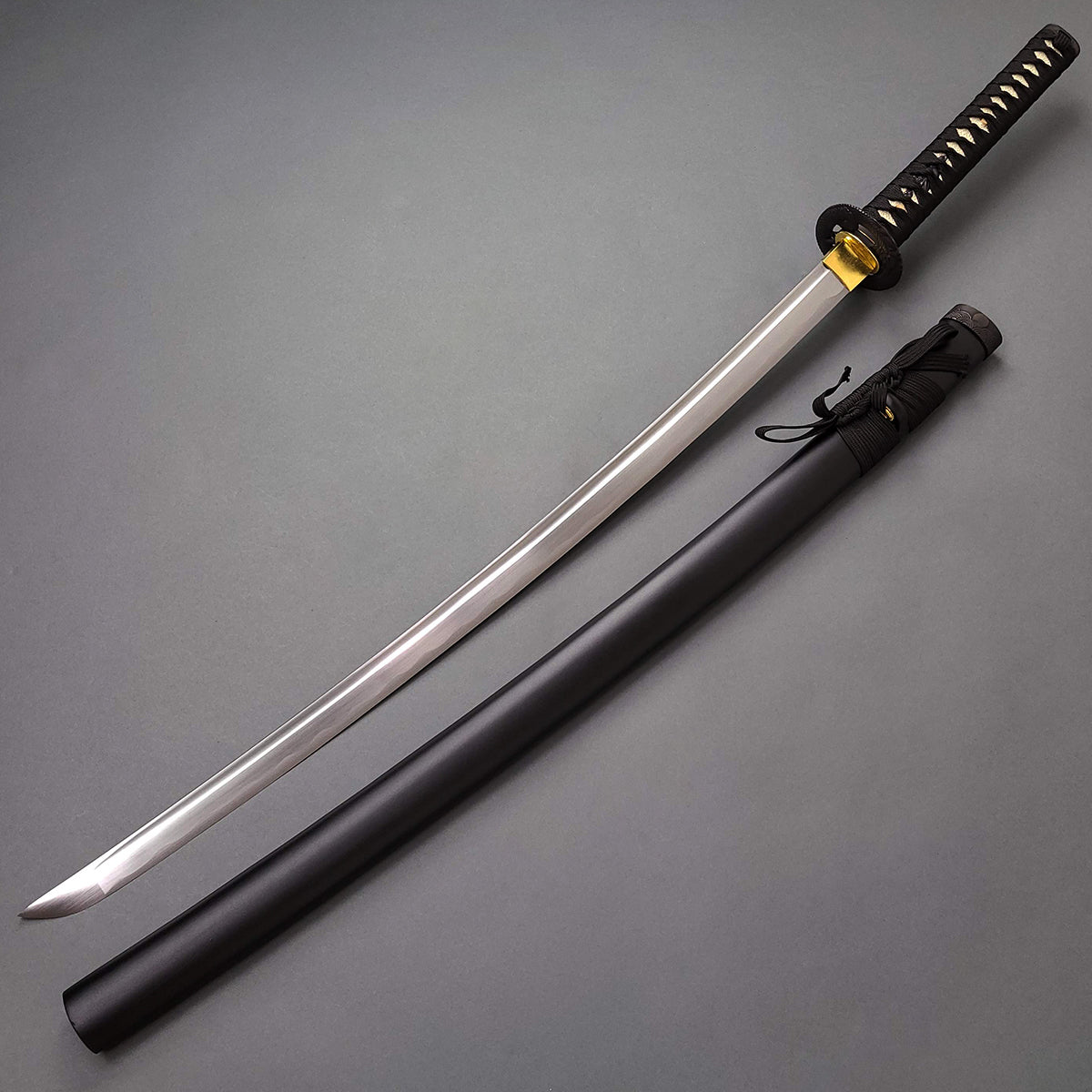
As Japan transitioned into the Edo period (1603-1868), the role of the katana shifted from a battlefield weapon to a symbol of prestige and cultural significance. The samurai class, which held considerable power, began to view katanas as works of art rather than mere tools for combat. This era saw the emergence of master craftsmen, who dedicated their lives to perfecting the art of sword-making, further solidifying the katana's legacy in Japanese culture.
The Evolution of Sword-Making Techniques
Throughout its history, the katana has undergone significant evolution in its manufacturing processes. The traditional technique of tamahagane, a type of steel produced from iron sand, is central to creating high-quality blades. This steel is meticulously smelted and forged into layers, which enhances durability and performance. The folding process involves layering the steel multiple times, a practice that not only strengthens the blade but also creates a beautiful grain pattern.
Additionally, the skill of the tosho plays a crucial role in determining a katana's quality. Each craftsman may have their unique methods and secrets, often passed down through generations. The combination of these age-old techniques and the personal flair of the smith results in swords that are not only functional but also breathtakingly beautiful. The intricacies involved in shaping and tempering the blade require years of dedication and expertise.
Materials Used in Katana Construction
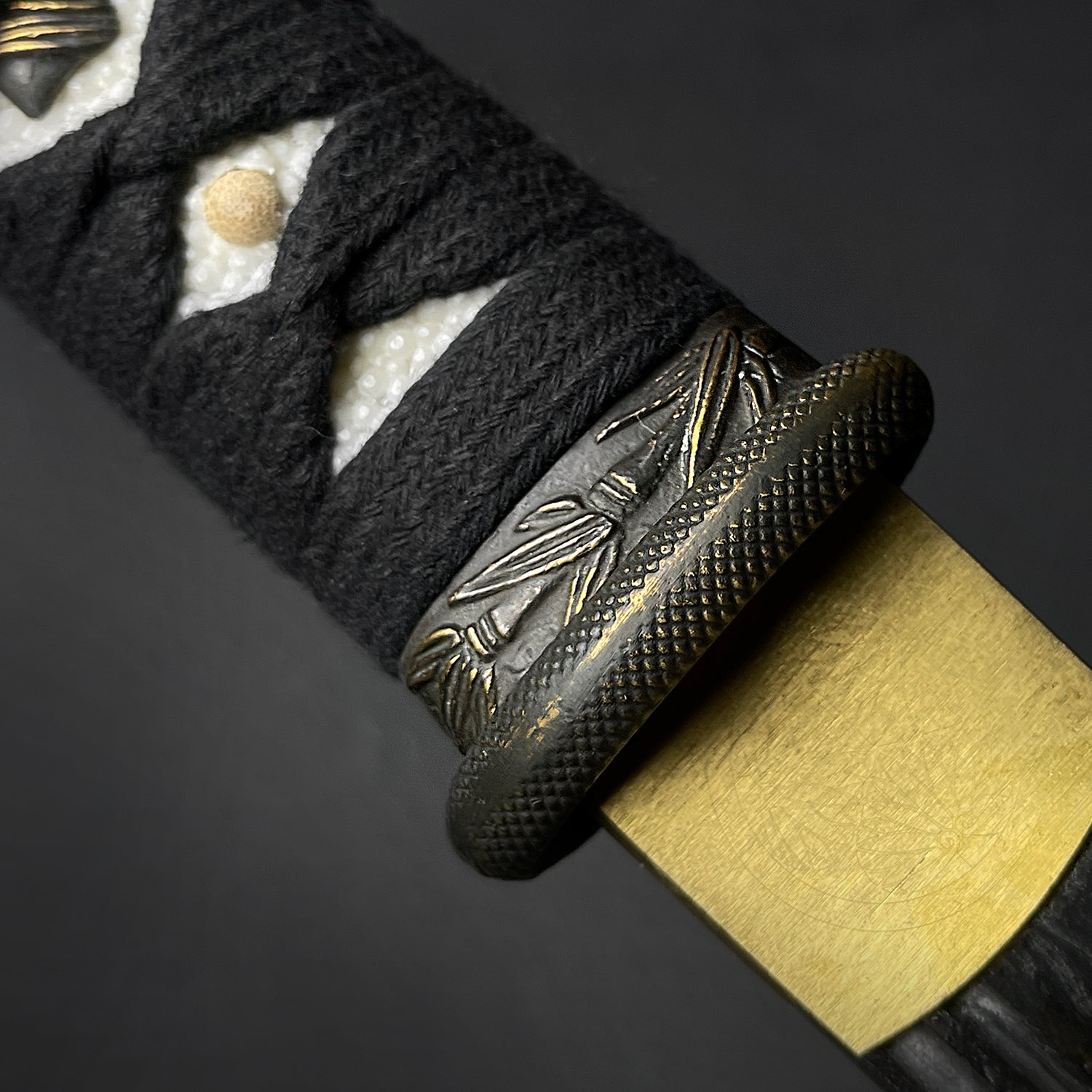
The materials utilized in crafting a katana significantly influence its characteristics and overall quality. Aside from tamahagane, other elements such as shirasaya (the wooden scabbard) and tsuka (the hilt) are equally important. These components are typically made from high-quality woods, often chosen for their durability and aesthetic appeal. The wrapping of the tsuka with tsuka-ito (silk or cotton cord) not only provides a secure grip but also adds to the katana's visual appeal.
Furthermore, the use of distinctive metals for the tsuba (guard) and fittings enhances the katana's overall functionality and artistry. Many craftsmen employ materials like brass or iron, often showcasing intricate designs that reflect personal or historical significance. The thoughtful selection of materials throughout the katana's construction underscores the importance of craftsmanship and attention to detail.
The Cultural Significance of Katanas
Katanas have long played a pivotal role in Japanese culture, transcending their utility as weapons to become symbols of honor, loyalty, and the samurai way of life. The sword is often viewed as an extension of the samurai's soul, with the act of drawing and wielding it embodying a deep spiritual connection. This cultural reverence is reflected in various art forms, literature, and even martial arts practices, where the katana serves as a central element.
In addition, the katana has been celebrated in traditional Japanese ceremonies, such as Shinto rituals, where it represents purity and protection. The katana's presence in these sacred contexts emphasizes its significance beyond mere combat, highlighting its role in shaping the identity and values of the samurai class. Such rich associations contribute to the katana's enduring appeal in contemporary society.
Martial Arts and the Katana
The katana is not just an emblem of warrior culture; it is also integral to various martial arts disciplines, such as kendo and iaido. In kendo, practitioners utilize bamboo swords to simulate combat, while iaido focuses on the precise drawing and cutting techniques with a live blade. Both practices highlight the importance of discipline, respect, and the mastery of the katana, reinforcing its cultural significance.

Training with the katana demands a deep understanding of its history, techniques, and the philosophies underpinning martial arts. This extensive education ensures that practitioners not only develop physical skill but also cultivate a profound respect for the weapon and its cultural heritage. The katana thus serves as a vital link between past and present, preserving the traditions of the samurai while adapting to modern interpretations.
Care and Maintenance of Katanas
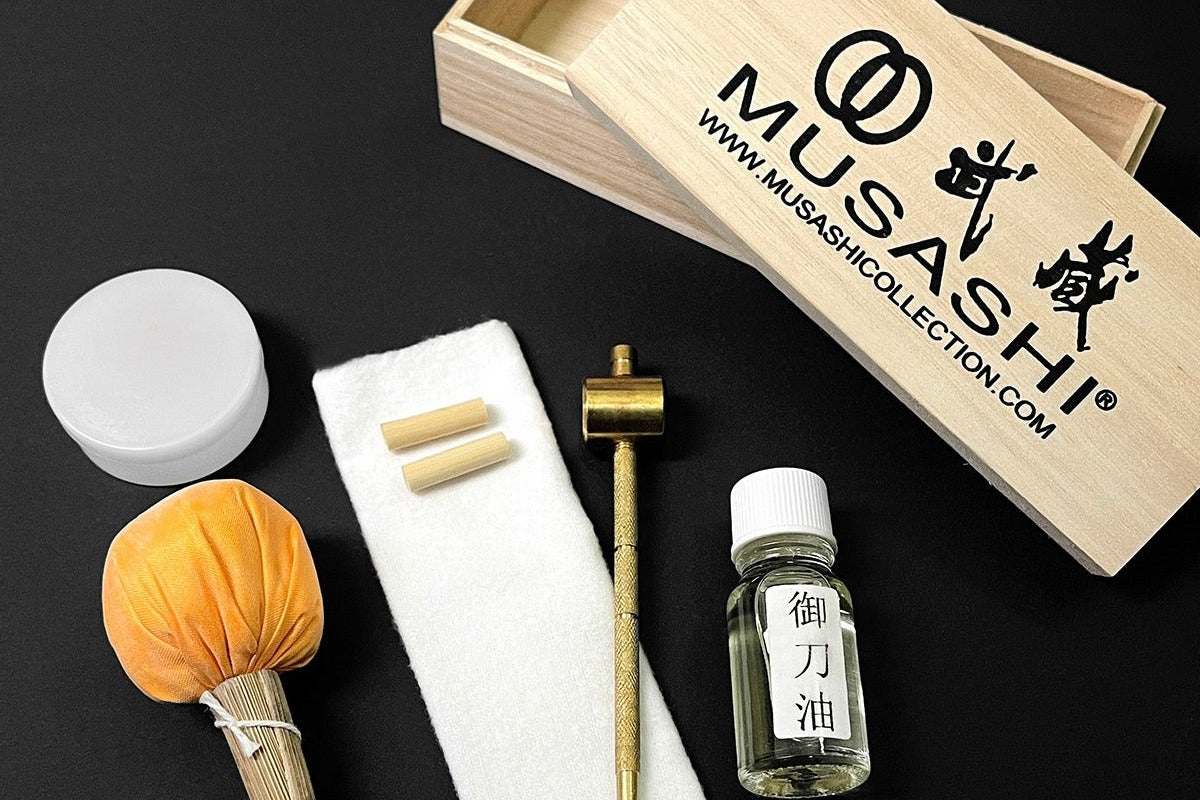
Proper maintenance of a katana is crucial for preserving its quality and longevity. This involves regular cleaning, polishing, and proper storage to prevent rust and damage. Owners should use a soft cloth to wipe the blade after each use, ensuring that moisture and oils do not linger on the surface. Additionally, special oils are often applied to protect the blade from environmental factors.
Polishing a katana is an art in itself, requiring knowledge and skill to maintain the blade’s sharpness and aesthetic appeal. It is recommended to consult a professional polisher, as improper techniques can damage the blade. Regular maintenance not only enhances the sword's performance but also honors the craftsmanship that went into creating it.
Storage Solutions for Katanas
Storing a katana correctly is essential for its preservation. Katanas are best kept in a dry, temperate environment away from direct sunlight. Using a shirasaya or a display stand can protect the blade while showcasing its beauty. Additionally, storing the katana in a sheath prevents accidental damage and keeps dust away, ensuring that it remains in pristine condition.
Restoration and Repair
Over time, even the finest katanas may require restoration or repair. This process should be undertaken by skilled professionals who understand the intricacies of katana construction. Whether it involves re-polishing the blade or repairing the hilt, restoration is crucial for maintaining both the functionality and the historical integrity of the sword. Enthusiasts often seek out experts who specialize in katana restoration to ensure that their prized possessions receive the care they deserve.
Distinctive Features of Katanas
The katana is notable for several unique features that set it apart from other swords. Its characteristic curve, known as the tachi curve, is designed for efficient cutting and slicing motions. The blade's sharpness, combined with its weight distribution, allows for swift and precise strikes, making it a favored choice among martial artists.
Another distinctive aspect is the hamon, a wavy line that indicates the tempering process of the steel. This feature is not only visually striking but also serves as a testament to the craftsmanship involved in its creation. Each hamon is unique, making every katana a one-of-a-kind piece that reflects the skill of its maker.
Variations in Katana Design
While the katana is widely recognized, various regional styles and designs exist, each with unique characteristics. For instance, the wakizashi, a shorter companion sword, often accompanies the katana, providing versatility in combat. The distinct features of these variations highlight the adaptability and innovation of Japanese sword-making.

Moreover, modern interpretations of the katana have emerged, with some smiths experimenting with different materials and techniques. While traditional methods remain revered, these contemporary designs are gaining popularity among collectors and enthusiasts who appreciate the fusion of old and new.
Pros and Cons of Owning a Katana
- Pros:
- Authentic katanas are a symbol of cultural heritage, providing a deep connection to Japanese history and tradition.
- The craftsmanship involved in making a katana ensures a unique and high-quality product that can appreciate in value over time.
- Owning a katana can enhance martial arts training, offering a practical tool for practice and skill development.
- Many katanas serve as stunning decorative pieces, adding aesthetic value to any collection.
- Cons:
- Authentic katanas can be quite expensive, making them less accessible for casual collectors and enthusiasts.
- Proper maintenance and care are required to preserve the katana, which can be time-consuming and demanding.
- Finding genuine katanas can be challenging due to the prevalence of replicas and forged blades in the market.
When weighing the pros and cons of owning a katana, it becomes clear that while these swords offer significant cultural and practical benefits, they also come with challenges. The investment in a genuine katana can lead to a deeper appreciation of Japanese artistry and history, but potential owners must also be aware of the responsibilities involved in maintenance and authenticity verification.
Frequently Asked Questions
- What is the difference between a katana and other types of Japanese swords?
The katana differs from other Japanese swords, such as the wakizashi and tanto, primarily in its length, curvature, and intended use. The katana is longer and designed for quick, powerful cuts, while the wakizashi is shorter and often used for close combat. The tanto, on the other hand, is a dagger used primarily in a stabbing motion.
- How can I authenticate a katana?
Authenticating a katana requires knowledge of its characteristics, such as the hamon, tang inscriptions, and the overall craftsmanship. Consulting with experienced appraisers or reputable dealers is crucial for verification. Additionally, purchasing from trusted sources can help mitigate the risk of acquiring counterfeit swords. Musashi Sword Store

- What are the common maintenance practices for a katana?
Common maintenance practices include wiping the blade after each use to remove moisture and oils, applying oil to prevent rust, and regularly checking for any signs of damage. Periodic professional polishing is also recommended to maintain the blade's sharpness and aesthetic appeal. Musashi Authentic Katanas

Conclusion
In conclusion, the katana is not merely a sword; it is a profound symbol of Japanese culture, steeped in history, artistry, and martial tradition. Understanding its origins, evolution, and the craftsmanship involved offers enthusiasts and collectors a deeper appreciation for these remarkable weapons. From the unique features that distinguish each katana to the meticulous care required for maintenance, the journey of owning a katana is both rewarding and challenging. As we explore the world of katanas, we not only honor the legacy of the samurai but also ensure that this incredible artistry continues to inspire future generations. Engaging with this rich heritage allows us to connect with the values of honor, discipline, and respect that the katana embodies.


No comments:
Post a Comment